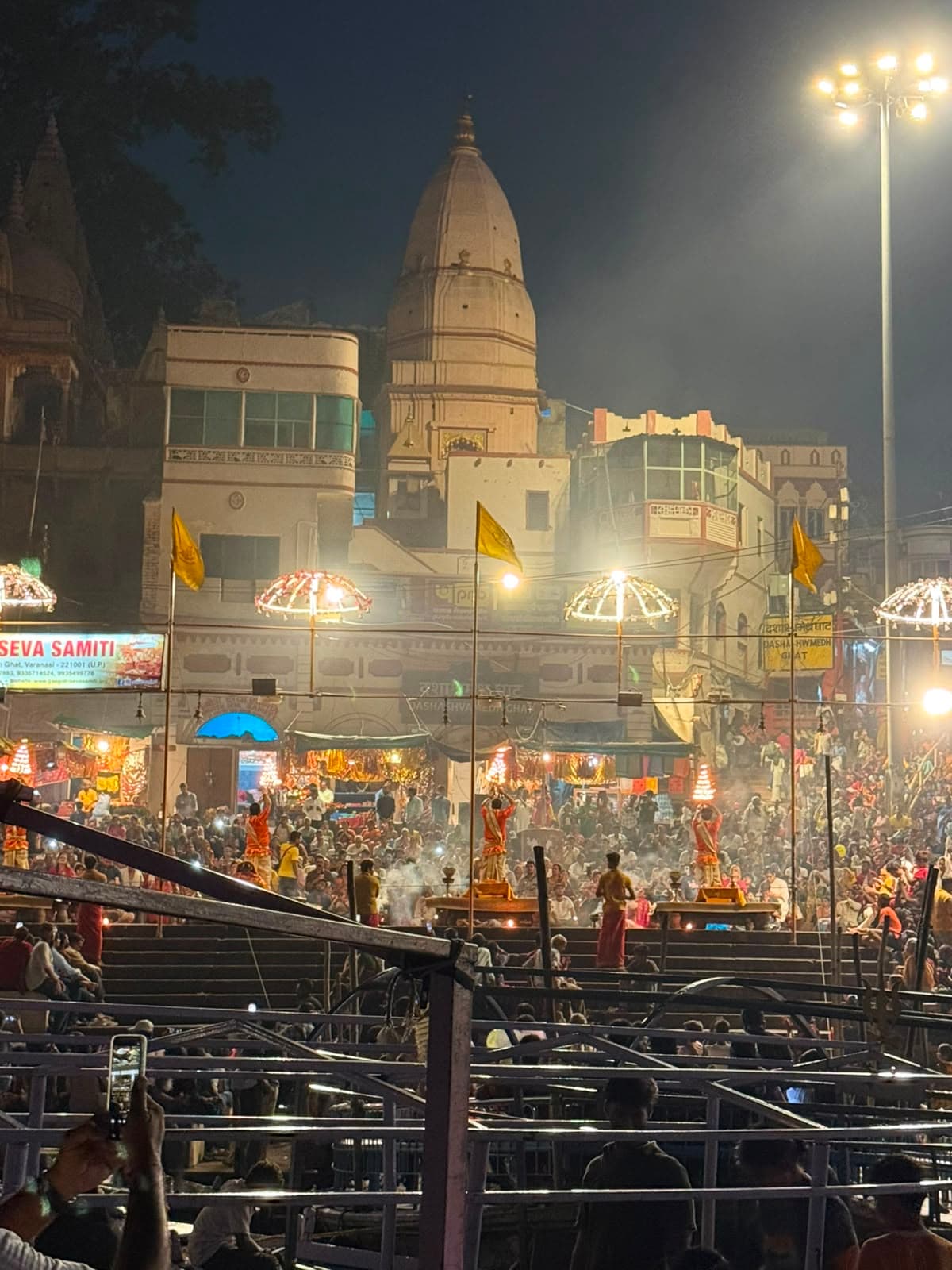
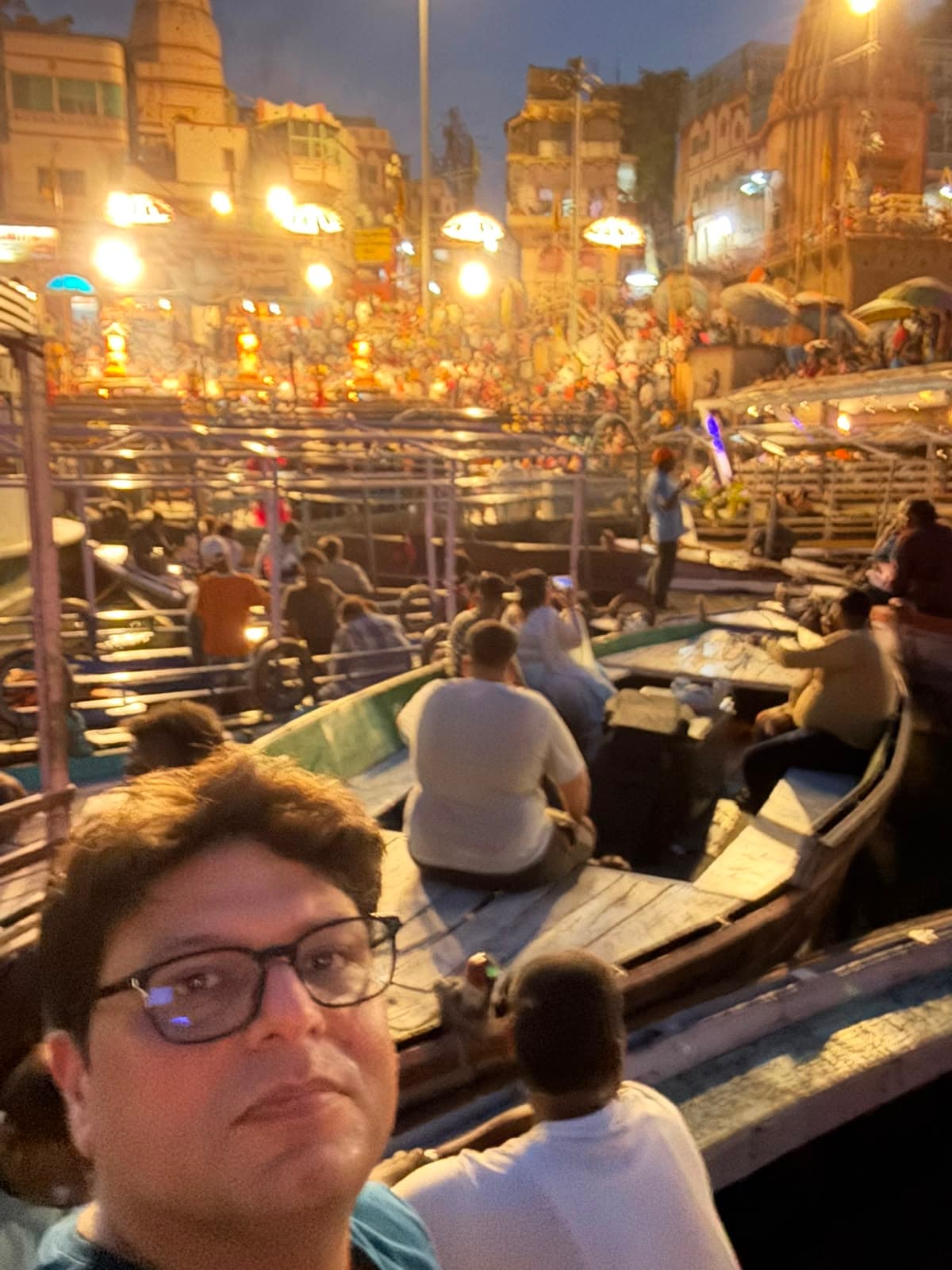
There are some experiences that stay with you long after they are over. For me, witnessing the Ganga Aarti in Varanasi was one of them. Standing on a boat in the middle of the Ganga, watching thousands of people gather along the ghats, I realised I wasn't just witnessing one of India's oldest and most revered traditions.
I was witnessing one of the country's finest examples of large-scale event execution. Hundreds of boats. Thousands of visitors.
Priests, volunteers, security personnel, photographers, vendors, local authorities and boat operators—all working together with remarkable precision. Every evening, they come together to create an experience that appears effortless. That evening reminded me of something we often say in the events industry.
The best execution is almost invisible.
The best execution is almost invisible.
People remember the experience. They rarely remember the planning that made it possible.
People remember the experience. They rarely remember the planning that made it possible.
Great Execution Begins Long Before Guests Arrive
Whether it is a centuries-old ceremony on the banks of the Ganga or a corporate exhibition inside a convention centre, the audience only sees the finished experience. They don't see the preparation. They don't see the planning meetings, site visits, approvals, logistics, manpower planning, rehearsals or contingency discussions.
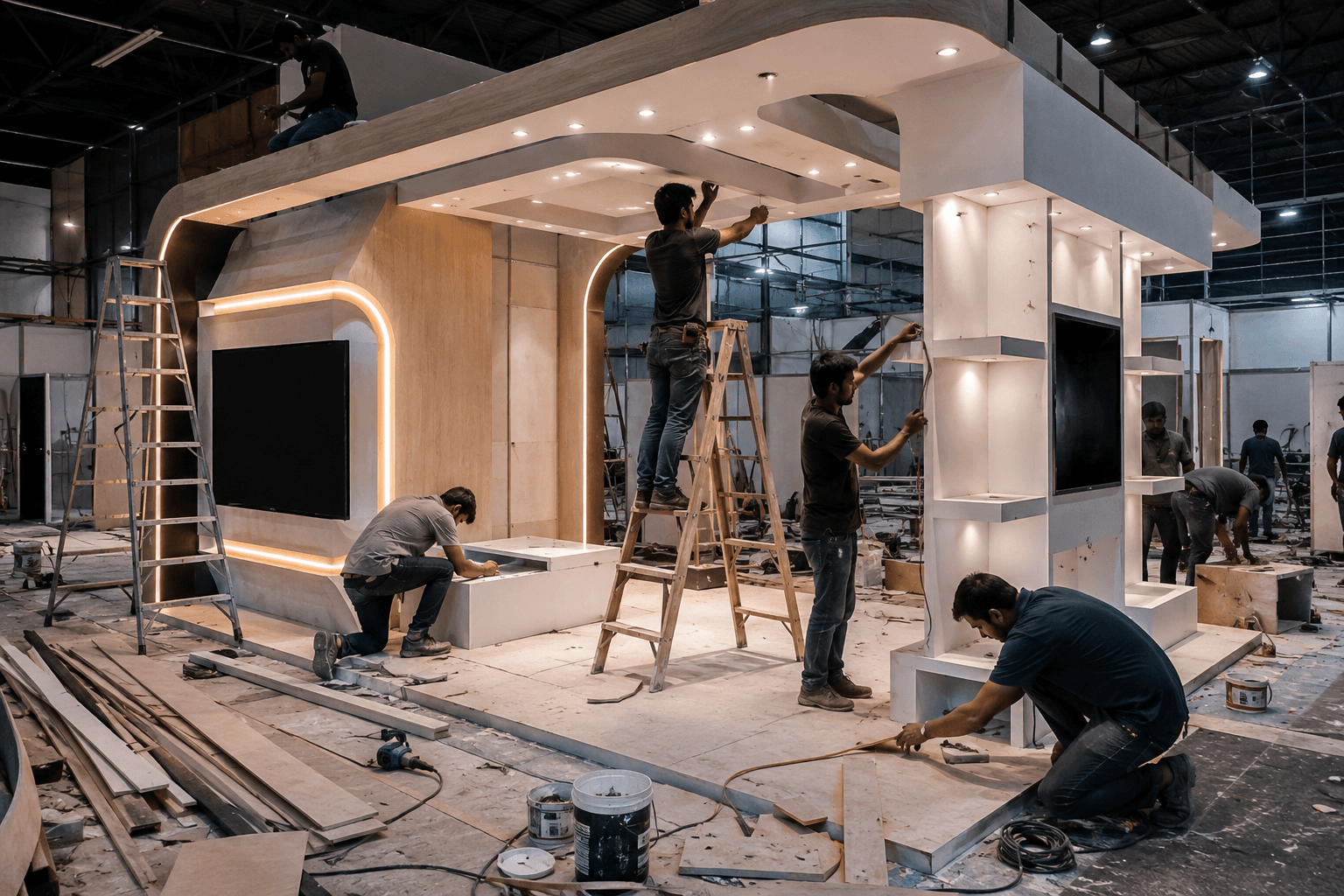
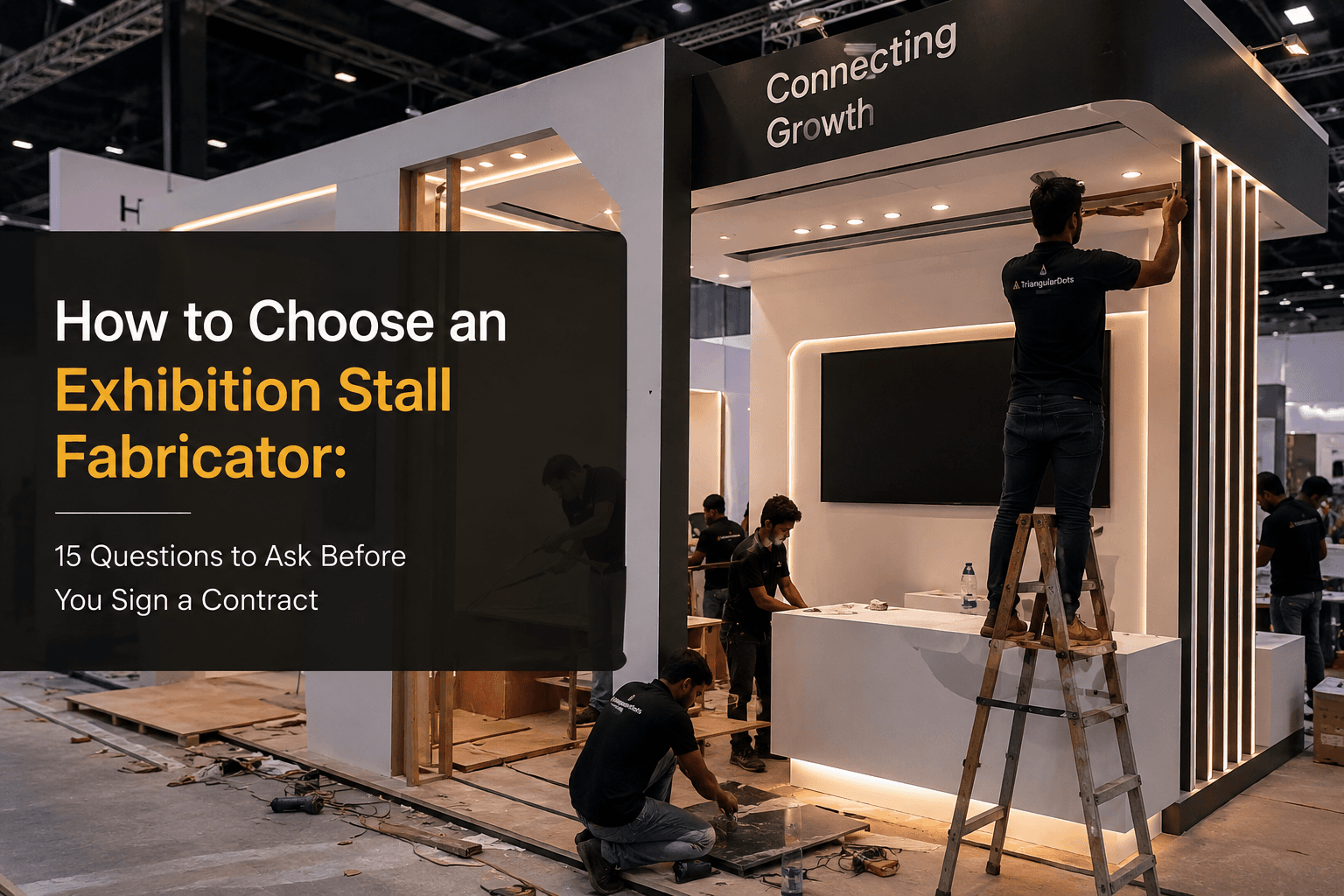
By the time visitors arrive, the hard work has already been done. Exactly the same happens with exhibitions. Visitors admire a beautifully executed exhibition stall.
What they don't see are the weeks of design reviews, fabrication, branding approvals, transportation planning, electrical coordination, venue permissions and last-minute refinements that brought it together. Great execution never begins on event day. It begins weeks before.
Everyone Knows Their Role
One of the most fascinating observations during the Ganga Aarti was how naturally every participant understood their responsibility. The priests focused on the ceremony. Boat operators managed movement on the river.
Volunteers guided visitors. Security managed crowd control. Vendors continued serving visitors without disrupting the experience.
No one appeared uncertain about their role. That clarity creates confidence. Corporate events and exhibitions work exactly the same way.
Designers create. Fabricators build. Electricians install.
Brand teams approve. Project managers coordinate. When responsibilities are clearly defined, execution becomes smoother.
When they are not, confusion replaces coordination.
Timing Is Everything
The Ganga Aarti doesn't begin when everyone feels ready. It begins exactly when it is supposed to. Everything else adjusts around that commitment.
Corporate events operate under the same principle. Venue possession times are fixed. Exhibition opening hours are fixed.
Product launches begin on schedule. Visitors don't wait because fabrication ran late. The best execution teams don't simply work harder.
They plan earlier. They work backwards from the deadline instead of rushing towards it.
Visitors Remember The Experience, Not The Planning
Watching the ceremony unfold from the river made me realise something we often overlook. Visitors don't remember the operational effort. They remember how they felt.
Nobody leaves talking about coordination meetings. Nobody praises permit applications. Nobody applauds vendor calls.
They remember the atmosphere. The emotions. The experience.
Corporate exhibitions are no different. Visitors remember whether the stall felt welcoming. Whether meetings were comfortable.
Whether navigation felt natural. Whether everything simply worked. Behind every memorable experience lies an extraordinary amount of invisible planning.
Small Details Create Big Experiences
Large events are rarely remembered because of one spectacular element. They are remembered because hundreds of small details come together perfectly. Lighting.
Movement. Spacing. Signage.
Safety. Sound. Visibility.
Accessibility. Each detail appears insignificant on its own. Together, they define the experience.
The same principle applies inside an exhibition stall. A visitor may be attracted by the design. But they stay because the space is comfortable.
They engage because the visitor flow feels natural. They remember the brand because the experience was thoughtfully planned.
Planning Reduces Pressure
People often believe experienced event teams perform well under pressure. In reality, experienced teams work hard to eliminate unnecessary pressure. Planning doesn't remove challenges.
It reduces surprises. The more preparation that happens before the event, the fewer critical decisions need to be made during the event. That has been true whether I have been involved in corporate conferences, exhibitions, employee engagement programmes or brand activations.
Execution becomes calmer when planning becomes deeper.
Leadership Is Often Invisible
The most effective leaders during large-scale events are rarely the loudest people on site. They don't need to be. Their work has already been done.
They have aligned the people. Defined the process. Clarified responsibilities.
Created confidence. During the Ganga Aarti, thousands of people move with remarkable coordination. That doesn't happen by chance.
It happens because someone invested time in planning before execution began. The same principle applies to every successful event. Leadership creates clarity.
Clarity creates confidence. Confidence creates great execution.
Excellence Is Measured By What Doesn't Go Wrong
People often ask what defines a successful event. The answer is surprisingly simple. The audience should leave remembering the experience—not the operational problems.
They shouldn't remember delayed registrations. Missing branding. Power failures.
Confused staff. Incomplete setups. Those are execution failures.
Success is when none of those things become part of the conversation.
The Real Lesson
Watching the Ganga Aarti reminded me that some of the world's best lessons in execution aren't always taught in boardrooms or business schools. Sometimes they are demonstrated every single day through traditions that have evolved over generations. Different purpose.
Different audience. Different setting. Yet the principles remain remarkably similar.
Preparation. Discipline. Timing.
Ownership. Attention to detail. Respect for process.
Whether it is a centuries-old ceremony on the banks of the Ganga or a corporate exhibition on a trade show floor, the objective remains the same. Create an experience that feels effortless. Because the greatest compliment an execution team can receive is often the simplest one.
"Everything went perfectly." When people say that, they are unknowingly appreciating hundreds of invisible decisions that made the experience possible. Perhaps that is the true beauty of execution.
The audience remembers the moment. The execution team remembers everything that made that moment possible.