
On this page
Introduction
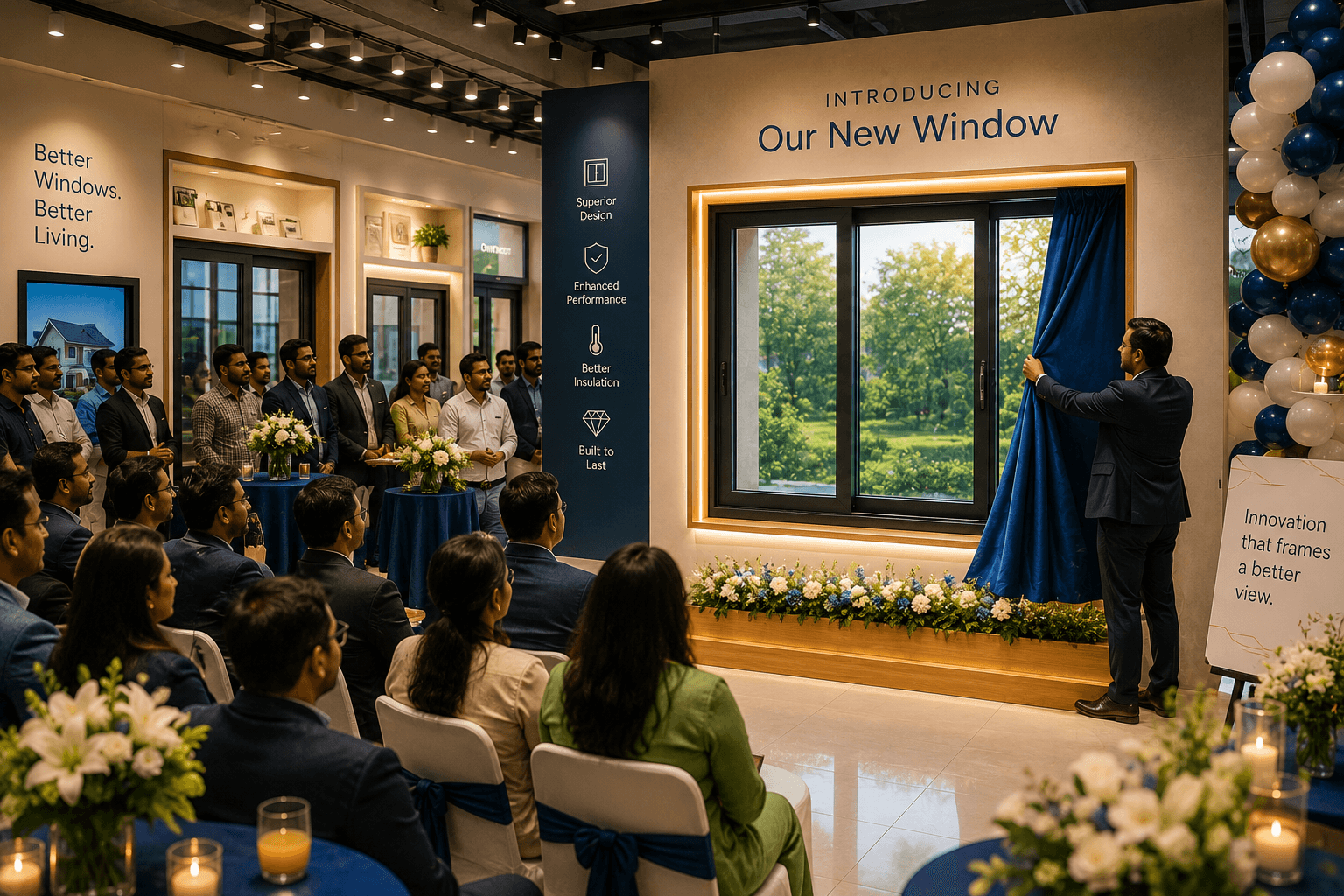
Every new product represents an opportunity for a brand to reinforce its market position, strengthen customer relationships and generate excitement. While many brands choose hotels, convention centres or exhibition venues for product launches, an increasing number are introducing new products inside their own Exclusive Brand Outlets (EBOs).
At first glance, it appears to be a logical choice. Customers are already familiar with the brand, the environment reflects the company's identity, and the product is being introduced exactly where it will eventually be sold.
However, launching a product inside an operational retail store is fundamentally different from organising a traditional event.
Unlike a banquet hall where every element is built specifically for the event, an Exclusive Brand Outlet is already a functioning business. Customers continue to walk in, sales teams continue serving visitors, billing counters remain operational and the store continues generating revenue throughout the day. Every decision made by the event team therefore has the potential to influence the customer experience.
A successful in-store launch is not judged by the size of the backdrop or the sophistication of the lighting. It is judged by how naturally the event integrates into the existing retail environment while allowing customers to discover the new product without disrupting the normal functioning of the store.
The most memorable launches are often the ones where visitors leave talking about the product—not the event.
This guide shares the practical considerations involved in planning and executing a successful product launch inside an Exclusive Brand Outlet, drawing attention to the operational details that are often overlooked but have the greatest impact on the overall experience.
Why Launching Inside an Exclusive Brand Outlet is Different
An Exclusive Brand Outlet is far more than a physical retail space. It represents the brand's identity, values and customer experience.
Every element inside the store has been carefully considered—from the placement of product displays and lighting to customer circulation, consultation areas and billing counters. These elements work together to create an environment that encourages customers to explore products and make informed purchasing decisions.
Introducing an event into this environment changes those dynamics.
Unlike an exhibition or conference venue, where every square foot is designed specifically for the event, an operational retail store has existing constraints that cannot simply be ignored. Customers still expect to browse comfortably, sales teams must continue assisting visitors and operational activities such as inventory movement, billing and customer service must continue without interruption.
The objective of an Exclusive Brand Outlet launch is therefore not to transform the store into an event venue.
Instead, it is to create a launch experience that feels like a natural extension of the existing retail environment.
When executed well, customers often perceive the launch as part of the overall brand experience rather than as a temporary event taking place inside the store.
That subtle difference separates exceptional retail execution from ordinary event management.
Define Clear Business Objectives Before Planning the Event
One of the most common mistakes organisations make is beginning with discussions around décor, branding and production before defining the purpose of the launch.
Every successful event starts with a clear business objective.
Ask a simple question:
"What do we want this launch to achieve?"
The answer influences every subsequent decision.
Some product launches are intended to generate immediate sales.
Others focus on introducing a new product range to existing customers.
Some are designed primarily for dealer engagement, while others prioritise media coverage, influencer engagement or strengthening relationships with architects, designers or channel partners.
Each objective requires a different approach.
A premium preview event for invited customers will be planned very differently from a weekend activation intended to maximise footfall. Likewise, a dealer-focused launch may require extended product demonstrations and technical presentations, while a consumer launch may focus more on creating memorable brand experiences.
Defining the objective early also makes it easier to measure success later.
Instead of asking whether the event "looked good," organisations can evaluate meaningful business outcomes such as enquiries generated, demonstrations conducted, sales achieved, media coverage received or customer engagement levels.
When the objective is clear, every activity—from invitations and branding to staffing and logistics—works towards a common goal.
Evaluate the Store Before Designing the Event
No two Exclusive Brand Outlets are identical.
Even stores belonging to the same brand can differ significantly in terms of layout, customer demographics, product displays, operational processes and available space.
This is why every successful retail launch begins with a detailed site survey.
The purpose of the survey is not merely to measure available floor space. It is to understand how the store functions during a normal business day.
During the assessment, evaluate:
- Customer entry and exit points
- Average customer movement through the store
- Peak shopping hours
- Existing product displays
- Visibility from the storefront
- Power availability and backup
- Internet connectivity
- Storage space for event material
- Loading and unloading access
- Emergency exits and fire safety compliance
- Existing branding that must remain visible
- Areas where product demonstrations can take place comfortably
Equally important is understanding the operational routine of the store.
When do deliveries arrive?
When are cleaning activities carried out?
What time does customer footfall peak?
Will installation activities interfere with normal business?
Answering these questions early prevents costly last-minute changes and ensures that the event supports, rather than disrupts, the daily operations of the store.
A thorough site survey often reveals practical challenges that cannot be identified from floor plans or photographs alone.
For experienced execution teams, these observations frequently become the difference between a smooth launch and a stressful one.
Respect the Existing Retail Environment
One of the biggest mistakes brands make while planning an in-store product launch is treating the store as an empty event venue. In reality, an Exclusive Brand Outlet has already been carefully designed to deliver a consistent customer experience. Every fixture, display, lighting element and customer touchpoint exists for a reason.
A product launch should enhance this environment rather than compete with it.
Temporary branding, stage elements, digital displays and product experience zones should blend naturally with the existing retail identity. Customers should immediately notice the new product, but they should never feel that the store has become cluttered, confusing or difficult to navigate.
It is equally important to respect the store's existing visual merchandising. Permanent displays that communicate the brand's identity should not be hidden behind temporary event structures unless absolutely necessary.
Remember that customers have visited the store primarily to explore products, seek advice and make purchasing decisions—not to attend an event. The launch should therefore feel like an extension of the retail journey instead of interrupting it.
Brands that understand this balance consistently deliver launches that feel polished, premium and customer-centric.
Plan Customer Flow Before Finalising the Event Layout
A beautifully designed event can quickly become frustrating if it disrupts how customers move through the store.
Before approving the final layout, map the complete customer journey—from the entrance to the product displays, demonstration areas, consultation desks, billing counters and exits.
Every temporary structure should support that journey rather than obstruct it.
- First impressions at the entrance
- Queue management
- Waiting areas for invited guests
- Product demonstration zones
- Access to billing counters
- Accessibility for senior citizens and differently-abled visitors
- Emergency exits
Remember that invited guests and regular walk-in customers will often be using the same space simultaneously.
Providing dedicated interaction zones, clearly defined circulation paths and sufficient open space allows both groups to enjoy a comfortable experience without interfering with each other.
A simple floor plan reviewed during the planning stage can eliminate many operational challenges before they occur.
Make the Product the Hero
Every decision made during the launch should ultimately direct attention towards the product.
Large LED walls, elaborate décor, dramatic lighting and expensive stage designs may create visual impact, but they should never become the main attraction.
Customers visit an Exclusive Brand Outlet because they want to understand the product, compare it with existing options and experience it firsthand.
The demonstration area should therefore become the focal point of the launch.
- Easily visible from the main customer circulation path
- Well illuminated
- Comfortable for interaction
- Accessible without crowding
- Supported by trained product specialists
Wherever possible, encourage customers to touch, experience and interact with the product instead of simply watching a presentation.
An engaging product demonstration creates stronger recall than even the most impressive event décor.
Ultimately, the event should disappear into the background while the product remains firmly in the customer's memory.
Prepare the Store Team for Launch Day
No event agency understands the day-to-day functioning of the store better than the people who work there.
Store managers and sales advisors know customer behaviour, common questions, operational routines and peak shopping periods better than anyone else involved in the project.
This makes them one of the most valuable stakeholders in the success of the launch.
Before launch day, organise a structured briefing session covering:
- Event schedule
- Guest movement
- Product features
- Demonstration process
- Escalation contacts
- Safety procedures
- Customer handling guidelines
Every member of the store team should clearly understand their responsibilities before the first guest arrives.
The event team should also understand the operational priorities of the store.
For example:
Which products generate the highest customer enquiries?
Which billing counters must remain operational?
Which areas cannot be blocked?
What activities continue during business hours?
When both teams work together with clearly defined roles, customers experience a seamless event without noticing the coordination happening behind the scenes.
That invisible coordination is often what distinguishes exceptional execution from average event management.
Managing Media, Influencers and VIP Guests
Many product launches inside Exclusive Brand Outlets are attended not only by customers but also by journalists, influencers, architects, interior designers, dealers, channel partners and senior leadership. Each of these audiences expects a different experience, which means careful planning is essential.
Create a structured guest journey rather than allowing everyone to arrive and interact randomly. Allocate dedicated time for product demonstrations, leadership interactions, media interviews and photography. This ensures that key stakeholders receive the attention they require without affecting the experience of regular walk-in customers.
If influencers or media representatives are expected, identify suitable locations for photography and videography in advance. Good lighting, uncluttered backgrounds and branded spaces help create content that reflects the quality of the brand.
For larger launches, it is also useful to appoint a single point of contact for media and VIP guests. This prevents confusion and allows the rest of the execution team to focus on customer experience and store operations.
Measure Success Beyond Event Day
The success of a product launch should never be measured only by attendance or the quality of the event setup.
The real value of the launch becomes evident in the days and weeks that follow.
Review measurable outcomes such as:
- Increase in store footfall
- Product enquiries generated
- Product demonstrations conducted
- Sales during the launch period
- Customer engagement
- Media coverage
- Social media reach
- Dealer or channel partner feedback
- Customer feedback collected at the store
- Feedback from the store team
A structured post-event review helps identify what worked well and what can be improved for future launches.
The most successful brands treat every launch as an opportunity to refine their execution process.
Common Mistakes to Avoid
Even experienced teams can overlook small operational details that significantly affect the customer experience.
Some of the most common mistakes include:
- Beginning production without a detailed site survey.
- Blocking customer circulation with oversized branding.
- Giving more importance to décor than to product demonstrations.
- Ignoring the operational requirements of the store team.
- Scheduling installation during peak shopping hours.
- Conducting insufficient rehearsals before launch day.
- Failing to prepare contingency plans for technical issues or larger-than-expected attendance.
- Poor communication between the client team, store staff and event agency.
Most of these issues are entirely preventable through detailed planning, clear communication and disciplined execution.
Launch-Day Readiness Checklist
Investing thirty minutes in these final checks often prevents hours of unnecessary disruption during the event.
Frequently Asked Questions
Why should a product launch be held inside an Exclusive Brand Outlet?
Launching inside an Exclusive Brand Outlet allows customers to experience the product in its natural retail environment. It also creates immediate opportunities for demonstrations, enquiries and sales.
How far in advance should an in-store product launch be planned?
While the timeline varies depending on the scale of the event, planning should ideally begin several weeks in advance to allow sufficient time for site surveys, creative development, production, logistics and rehearsals.
Should the store remain open during the launch?
In most cases, yes. The objective is to integrate the launch into the normal retail experience rather than suspend business operations. Careful planning ensures that both event guests and walk-in customers enjoy a positive experience.
What is the biggest challenge during an EBO launch?
Maintaining normal store operations while creating a memorable launch experience is often the biggest challenge. This requires close coordination between the brand, the store team and the execution agency.
Why is customer flow important?
Poorly planned customer movement can create congestion, reduce product visibility and negatively affect both the event and the shopping experience. Mapping customer circulation before finalising the event layout helps prevent these issues.
Conclusion
Launching a new product inside an Exclusive Brand Outlet is about much more than organising an event.
It requires a thoughtful balance between creating excitement around the new product and protecting the everyday retail experience that customers already value.
Every decision—from the site survey and customer flow to demonstrations, branding and staff coordination—contributes to the overall perception of the launch.
When these elements work together, customers remember the product, the experience and the brand—not the operational effort behind the event.
That is the hallmark of exceptional retail execution.
Planning Your Next Retail Product Launch?
Every retail environment presents unique operational challenges. A successful launch requires more than creative ideas—it demands careful planning, disciplined execution and close coordination between the brand, the store team and execution partners.
At Triangular Dots, we help brands across India plan and execute retail product launches, customer engagement programmes, brand activations and in-store experiences that are operationally seamless and commercially effective.
Whether you're introducing a new product, launching a flagship collection or executing a nationwide retail campaign, our team can help you deliver an experience that strengthens your brand while keeping your retail operations running smoothly.
If you're planning your next product launch inside an Exclusive Brand Outlet, we'd be delighted to discuss how we can help.
Let's Talk