
EXECUTION STORIES / SEO ARTICLE

How to Plan a Global Fintech Fest Exhibition Stall at Jio World Centre

A practical guide for fintech brands planning a Global Fintech Fest stall, from concept and fabrication to approvals, logistics, and on-ground delivery at Jio World Centre.

Fintech exhibition stall setup by Triangular Dots

Introduction

Global Fintech Fest is not the kind of exhibition where a brand can show up with a generic booth and expect strong outcomes. The audience is usually a mix of decision-makers, partners, enterprise buyers, founders, ecosystem players, media, and industry stakeholders. That means the stall has to do more than look polished. It has to support serious conversations, product storytelling, demos, lead capture, and brand credibility.

For many teams, the challenge is not just the creative direction. The real challenge is turning a concept into an exhibition environment that can actually be fabricated, transported, installed, and handed over smoothly at Jio World Centre, Mumbai. A stall may look excellent in a render, but unless planning includes approvals, material readiness, branding files, logistics, and on-ground sequencing, the final execution can quickly become stressful.

This guide is for exhibitors, marketers, founders, and brand teams who want a practical way to plan their Global Fintech Fest stall. It focuses on the real decisions that shape booth quality: what to lock early, what usually gets delayed, how venue realities affect design, and what to expect from a Mumbai-based exhibition execution partner.
ServicesAboutExecution StoriesContact

Why GFF Stall Planning Is Different

A fintech exhibition booth is different from a general trade fair stall because the interaction style is different. Many GFF exhibitors are not trying to sell impulse products. They are trying to create confidence. Visitors may want to understand the product, discuss partnerships, explore enterprise use cases, or assess whether the brand feels mature enough for business conversations. That changes how the space needs to work.

The booth often needs room for multiple kinds of interaction at once. One visitor may be watching a product demo, another may be in a quick business discussion, and a third may simply be trying to understand what the company does in under ten seconds. A stall that is only decorative often fails here. The design needs to support messaging clarity, movement flow, and functional use of space.

There is also the execution side. Jio World Centre is a premium venue, but premium venues also mean structured access, defined setup windows, approvals, load-in planning, and coordination discipline. Good GFF stall planning has to respect both the visitor experience and the venue process. That is why planning early matters so much.

GFF Stall Planning Checklist

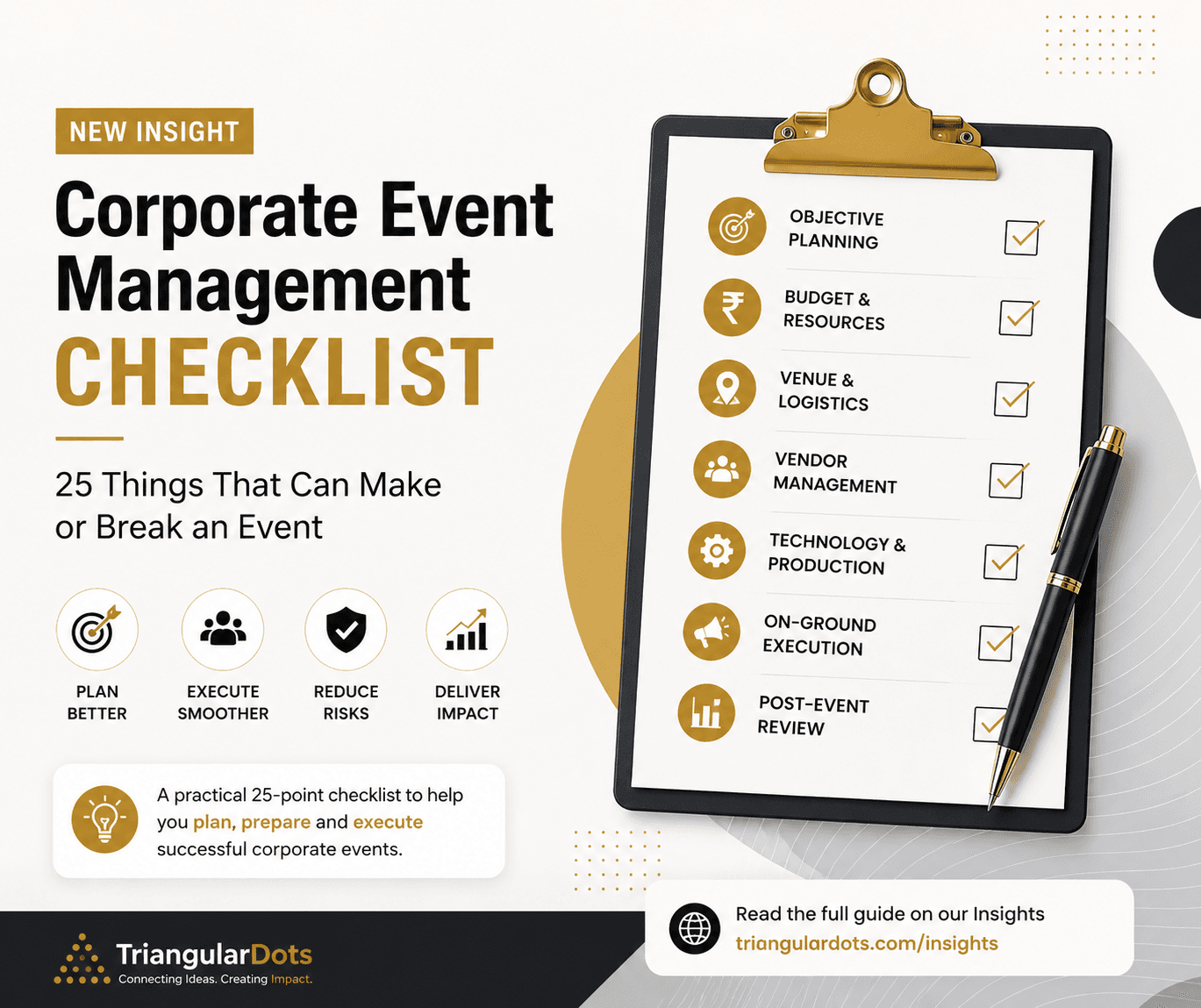
Use this as a working checklist when planning your Global Fintech Fest exhibition booth. These are the practical points that usually decide whether a stall feels smooth, credible, and ready on event day.

1. Lock the booth objective first

Start by deciding what the stall is supposed to achieve. Is the goal demos, meetings, lead capture, investor credibility, media attention, or partnership conversations? The design direction becomes much clearer once the objective is defined.

2. Understand your stall size and footprint

Before discussing design ideas too far, confirm the actual size, frontage, open sides, and any height constraints. Practical stall planning depends on the real footprint, not assumptions.

3. Prioritize clarity of messaging

A visitor should quickly understand who you are, what you do, and why your product matters. At fintech events, a booth that looks stylish but communicates poorly often underperforms.

4. Decide the interaction zones early

Think about where demos will happen, where conversations will happen, and where branding will carry the first impression. Even a small booth can work better when these zones are planned intentionally.

5. Freeze branding and content on time

Late artwork changes create pressure across printing, fabrication, mounting, and final finishing. It is much easier to maintain quality when branding files and headline messaging are locked early.

6. Plan the fabrication approach realistically

Not every booth needs a heavily custom build. Some brands need full design plus fabrication, while others may only need fabrication from an approved design. Match the execution model to your budget, goal, and timeline.

7. Account for electrical and AV requirements

Screens, lighting, charging points, demo equipment, and cable routing should be planned in advance. These details often get underestimated even though they affect the live visitor experience directly.

8. Ask how logistics and installation will be handled

Transport, site access, unloading, crew movement, and installation sequence should not be afterthoughts. Strong exhibition execution teams plan this before the event week, not during it.

9. Build in time for approvals and revisions

If multiple internal stakeholders need to sign off on the booth, content, or layout, reflect that reality in the planning timeline. Rushed approvals usually lead to weak decisions or unnecessary rework.

10. Choose a partner who can execute on the ground

A stall partner for GFF should not only talk about design. They should be able to explain fabrication, branding production, transport, site supervision, and final handover with confidence.

Common GFF Stall Planning Mistakes

These are some of the most common reasons a Global Fintech Fest booth feels underprepared or becomes difficult to execute.

Treating the stall like a generic trade fair booth

GFF visitors often expect more depth, clarity, and professionalism. A purely decorative stall can look attractive but still feel weak for serious business interaction.

Starting design before the functional need is clear

When teams jump straight into visual ideas without defining what the space needs to support, the final booth often looks fine but functions poorly.

Delaying artwork and content approvals

Late branding approvals compress printing and fabrication schedules, which can directly affect final quality, finishing, and installation control.

Ignoring venue realities until too late

Access, setup timing, approvals, and movement constraints are part of stall planning. Teams that ignore venue realities early usually face unnecessary event-week stress.

Choosing a vendor based only on the render

A good render is useful, but it does not prove execution reliability. The more important question is whether the team can fabricate, install, coordinate, and hand over cleanly on-site.

How To Choose The Right Exhibition Partner

If you are evaluating a stall partner for Global Fintech Fest, ask practical questions, not only creative ones. Ask how the team handles fabrication planning, how branding files are managed, how installation is sequenced, what happens if there are last-minute revisions, and who supervises the site. A reliable partner should be able to answer these clearly.

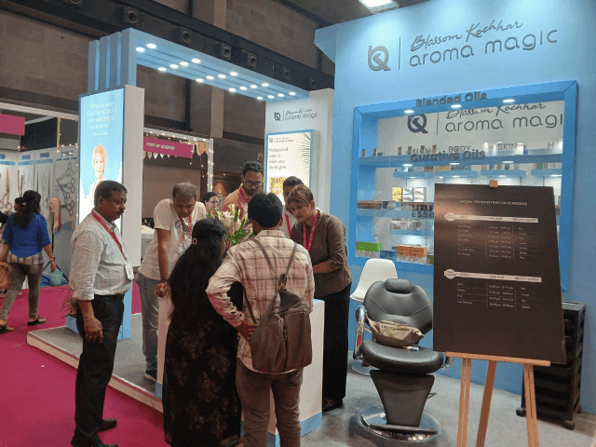
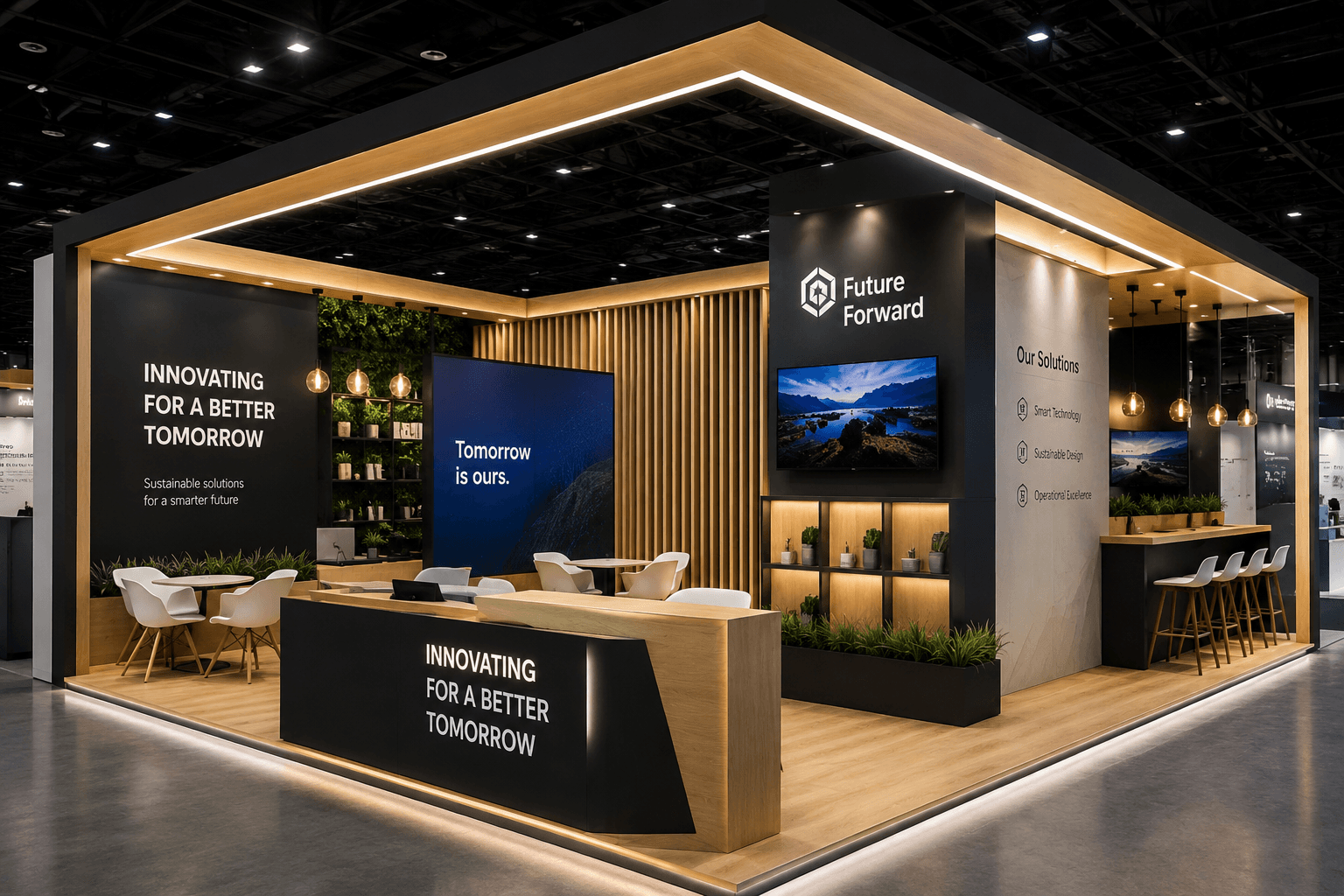
It also helps to see real exhibition work, not only mockups. Real images from workshop build stages, on-ground installation, and completed stall environments usually reveal more about execution capability than polished presentations alone. They show whether the team has actually worked through production and delivery, not just concepting.

For many exhibitors, a Mumbai-based execution team can also reduce friction. Local coordination often helps when dealing with fabrication timing, dispatch, site movement, and final troubleshooting. Especially for outstation teams, local execution support can make the difference between a controlled event setup and a chaotic one.

Conclusion

Planning a Global Fintech Fest stall well is really about reducing uncertainty. When the objective is clear, the stall size is understood, branding is frozen early, fabrication is planned realistically, and the execution partner is aligned to venue realities, the entire process becomes easier to control.

The best GFF booths do not only look premium. They also support real conversations, product understanding, and visitor confidence. That comes from connecting design decisions with execution discipline from the very beginning.

If your brand is exhibiting at Global Fintech Fest and wants a smoother path from concept to installation at Jio World Centre, the next step is simple: plan early, ask the right questions, and work with a team that can actually deliver the stall on the ground.

GET SUPPORT

Planning a stall for Global Fintech Fest?

Triangular Dots helps fintech brands with stall design, fabrication, branding, transport, installation and on-ground coordination at Jio World Centre, Mumbai.

Frequently Asked Questions

How early should we start planning a GFF stall?+

It is best to start as early as possible, especially if the stall needs custom design, approvals, fabrication, AV planning, or multiple stakeholder sign-offs. Early planning protects design quality and execution speed.

Do you handle fabrication and installation in Mumbai?+

Yes. We support stall fabrication, transport, installation, supervision, and final handover in Mumbai for exhibitors participating in Global Fintech Fest.

Can you execute stalls at Jio World Centre?+

Yes. We plan for venue realities such as access windows, loading rules, approvals, on-site sequencing, and final finishing at Jio World Centre.

READY TO EXECUTE

Planning an exhibition stall?

Open our main exhibition stall design and fabrication landing page to explore broader corporate exhibition support across India.

Get Exhibition Stall ConsultationExplore GFF Service Page
WhatsAppChat with us