
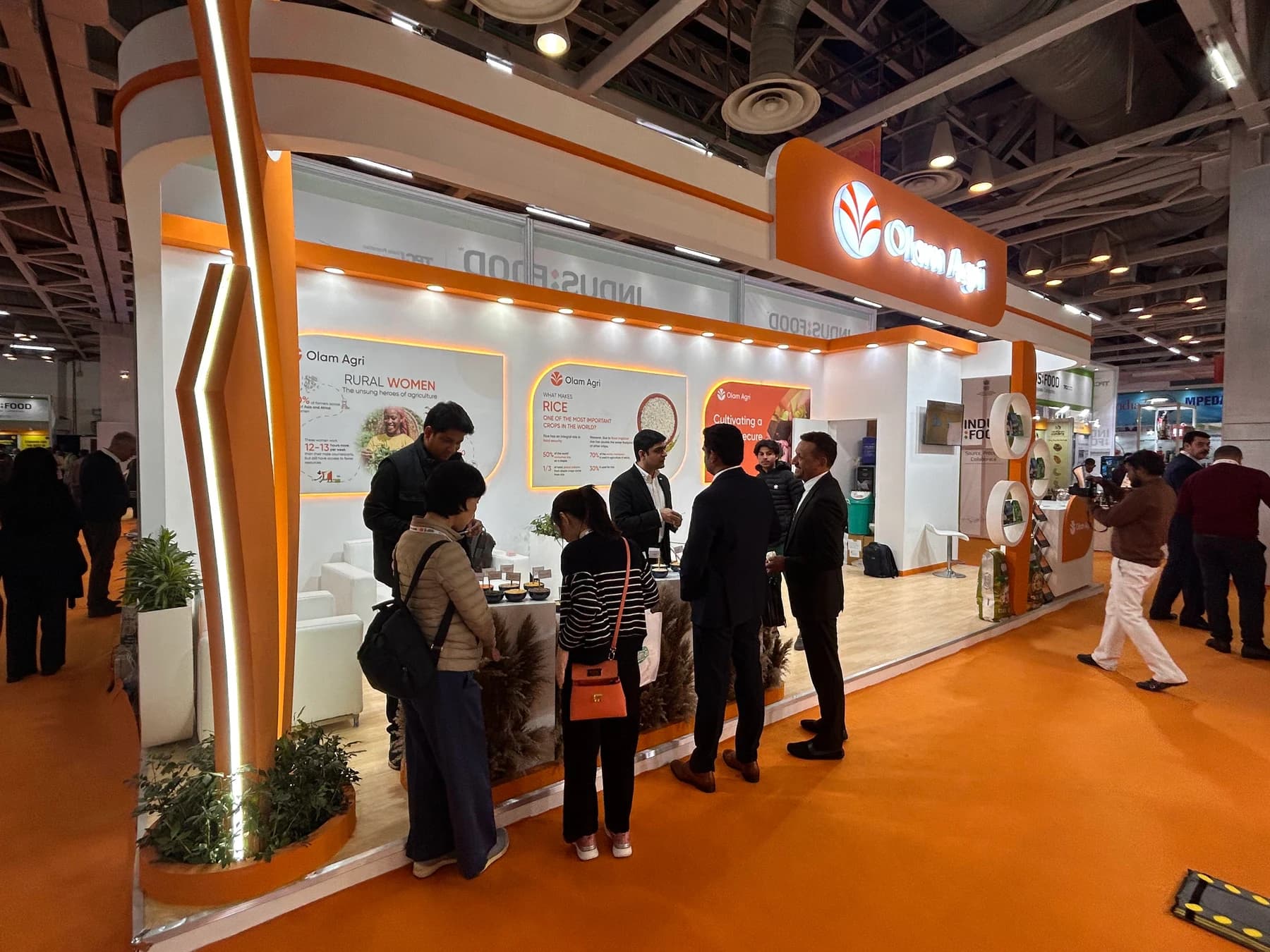
Once an exhibitor approves a stall design, the next question is usually: Who should fabricate it? And that is often where quotations start arriving. One vendor is cheaper. Another promises faster delivery. Someone says everything is included. Someone else sends a beautifully detailed proposal. It is tempting to compare the final number and make a decision. But exhibition fabrication is one of those areas where two quotations that appear to be for the same stall may not actually include the same thing. For an F&B exhibition like Indusfood 2027, that difference matters even more.
Sampling, refrigeration, storage, product displays, electrical requirements, hygiene, replenishment and buyer-meeting areas can all affect how the stall needs to be built and operated. So before selecting a stall fabricator, I would ask these 12 questions.
1. Have You Executed F&B Exhibition Stalls Before?
A food exhibition stall is not always the same as a conventional corporate booth. Ask to see actual relevant work. How were products displayed? Was sampling involved? How was stock stored? Were refrigerators or other equipment integrated? How did the stall look after several hours of visitor movement? You are not looking only for beautiful photographs. You are looking for evidence that the fabricator understands how an F&B stall operates.
2. Do You Understand What Will Actually Happen Inside the Stall?
Before quoting, the execution partner should understand how the space will be used. Will there be sampling? Live preparation? Refrigeration? Multiple product categories? Buyer meetings? Storage? Hospitality? Screens or demonstrations? If the first conversation is only about square footage and finishes, important operational requirements may appear much later. A good fabricator should be asking questions before giving answers.
3. Who Owns the Project From Design to Handover?
This is more important than it sounds. Who is your actual point of contact? Is the person discussing the design also connected to production? Who coordinates technical requirements? Who supervises installation? Who speaks to you when something changes? When responsibilities are fragmented, information can get lost between design, fabrication and the show floor. There should be clear ownership from approved design to final handover.
4. What Exactly Is Included in the Quote?
Never compare only the number at the bottom. Understand what sits inside it. Does the quotation include:
- Structure and fabrication
- Flooring
- Graphics and branding
- Furniture
- Lighting
- Electrical work
- AV
- Product-display systems
- Storage
- Transport
- Loading and unloading
- Installation
- Dismantling
- On-site supervision
One quote may look cheaper simply because several items are sitting outside it.
5. What Is Not Included?
This may be even more important than the previous question. Ask the fabricator to state exclusions clearly. Venue charges? Power? Internet? Rigging? Special equipment? Refrigeration? Water connection? Material handling? Overtime? Storage? Extra manpower? Approvals? A transparent exclusion list prevents a lot of uncomfortable conversations later. “Not mentioned” should never automatically mean “included.”
6. What Materials and Finishes Are Being Quoted?
Two stalls can look almost identical in a render and very different once built. Ask what is actually being proposed. What material will be used for the structure? What finish? What type of graphics? What flooring? What lighting? What furniture? What happens to high-touch surfaces during three exhibition days? You don't need to become a fabrication expert. But the quotation should give you enough clarity to understand what you are buying.
7. How Will F&B-Specific Requirements Be Handled?
For Indusfood exhibitors, this deserves a separate conversation. If you are sampling products, where will preparation happen? If products need refrigeration, where will the equipment sit? Where will backup stock be stored? How will counters remain clean? Where will waste go? How will samples be replenished without carrying cartons through the visitor area? If there is live preparation, what additional services are required? These questions need to be resolved before fabrication is frozen, not after the stall reaches Greater Noida.
8. How Are Logistics and Installation Being Planned?
A stall does not magically appear at the exhibition venue. It has to be fabricated, packed, transported, unloaded, assembled, finished and tested. Ask: When will fabrication be completed? When does material leave? Who coordinates transport? Who supervises unloading? Who manages installation? How much buffer exists before handover? What happens if a vehicle or material is delayed? The closer the plan runs to the deadline, the less room there is to recover from a problem.
9. Who Will Actually Be On-Site?
Ask who will be physically present during installation. Not just who sold you the project. Who is responsible on the ground? Who can make a decision? Who coordinates with the production team? Who handles a finishing issue? Who stays until handover? A senior person does not need to stand at the stall throughout fabrication. But there should always be someone on-site who owns the outcome rather than simply completing a task.
10. What Happens When Something Changes?
Because something usually does. A graphic changes. A product arrives in different packaging. An additional screen is required. A meeting table needs to move. The client wants another shelf. A venue requirement changes. Ask how changes are handled. Who approves them? How quickly can they be executed? How will additional costs be communicated? The problem is rarely that changes happen. The problem is when nobody knows their impact until the invoice arrives.
11. What Backup Plan Exists If Something Fails?
Exhibitions are live environments. A light can fail. A graphic can get damaged. A shelf can loosen. A screen can stop working. A refrigerator can create a problem. A piece of branding can get scratched during setup. Ask what support exists if something needs attention before or during the show. Flawless execution does not mean nothing ever goes wrong. It means there is a plan when it does.
12. Does Support End When the Stall Is Handed Over?
Some fabrication relationships effectively end when the client signs off on the completed stall. But the exhibition has only just begun. Clarify whether support is available during show days. Who do you call if something needs repair? Can graphics be replaced? Can additional production support be arranged? Who coordinates dismantling? What happens to reusable material? What is the closure process? For the exhibitor, handover is the beginning of the exhibition. The execution plan should recognise that.
Compare More Than Three Quotations
Most exhibitors will naturally compare multiple vendors. They should. But I would compare them across more than price. Look at: Relevant experience. Have they built stalls with similar operational requirements? Understanding. Did they ask enough questions before quoting? Scope clarity. Can you understand exactly what is included and excluded? Execution ownership. Who is accountable from design approval to handover? On-ground capability. Who will actually manage the installation? Contingency. What happens when something changes or fails? Commercial transparency.
Will additional costs be discussed before the work happens? A quotation tells you what someone intends to charge. The answers to these questions tell you how they intend to execute.
Final Thought
Choosing an exhibition stall fabricator is easy when everything goes according to plan. Almost anyone can look good when the design is approved, the material arrives on time and nothing changes. The real value of an execution partner becomes visible when the timeline tightens, a requirement changes or something unexpected happens on the ground. That is why I would not choose a fabricator for Indusfood 2027 simply by asking: “Who can build this stall for the lowest price?” I would ask:
“Who gives us the greatest confidence that this stall will be ready, functional and working the way our team needs it to when the doors open?” Because the objective is not merely to get the stall built. It is to arrive at Indusfood ready to do business.
Gaurav writes about leadership, operational excellence, exhibitions, experiential marketing and event execution through practical observations from the field.
Planning Your Stall for Indusfood 2027?
Share your booth size, floor plan, product requirements and brief with our team.
Discuss Your Indusfood Stall